
Matching repair materials to existing roof types determines whether fixes hold properly or fail prematurely. Each roofing system requires specific products engineered for compatibility with original installation materials. Asphalt shingles need different repair compounds than metal roofing. Tile repairs demand specialized mortars that concrete roofing uses. Flat membrane systems require adhesives formulated for rubber or modified bitumen. Roof Repair Cape Town stocks diverse material inventories because generic products rarely work across multiple roof types without creating compatibility issues that shorten repair lifespans.
-
Asphalt shingle repairs
A three-tab and architectural shingle roof requires different repair methods. The new shingles must match the existing profile, thickness, and tab configuration. It creates uneven surfaces and mismatched weathering patterns. Repair materials for asphalt systems include:
- Roofing cement formulated for asphalt adhesion without petroleum solvents that dissolve shingle backing
- Galvanized roofing nails with proper shank length, penetrating through the sheathing adequately
- Self-adhesive flashing tape compatible with asphalt compound chemistry
- Shingle sealant designed to remain flexible across the temperature ranges shingles experience
Repairs also need matching granule colors. Shingle colors change periodically, making exact matches difficult. A shingle’s colour differs drastically depending on the weather.
-
Metal roofing materials
Standing seam, corrugated, and metal tile roofing each demands specialized fasteners. Metal expands and contracts substantially with temperature changes. Repair materials must accommodate this movement without failing. Rigid sealants crack apart from thermal cycling. Metal roof repairs require:
- Coated fasteners prevent galvanic corrosion when contacting aluminum or steel roofing
- Butyl tape sealants remaining pliable through freeze-thaw cycles
- Panel sections matching existing gauge thickness and profile dimensions
- Touch-up paint formulated for exterior metal surfaces with UV inhibitors
Screw fasteners for metal roofs need rubber washers creating weathertight seals that compress properly without overtightening. Standard roofing nails used for shingles fail catastrophically on metal roofs, creating immediate leak points.
-
Tile roof solutions
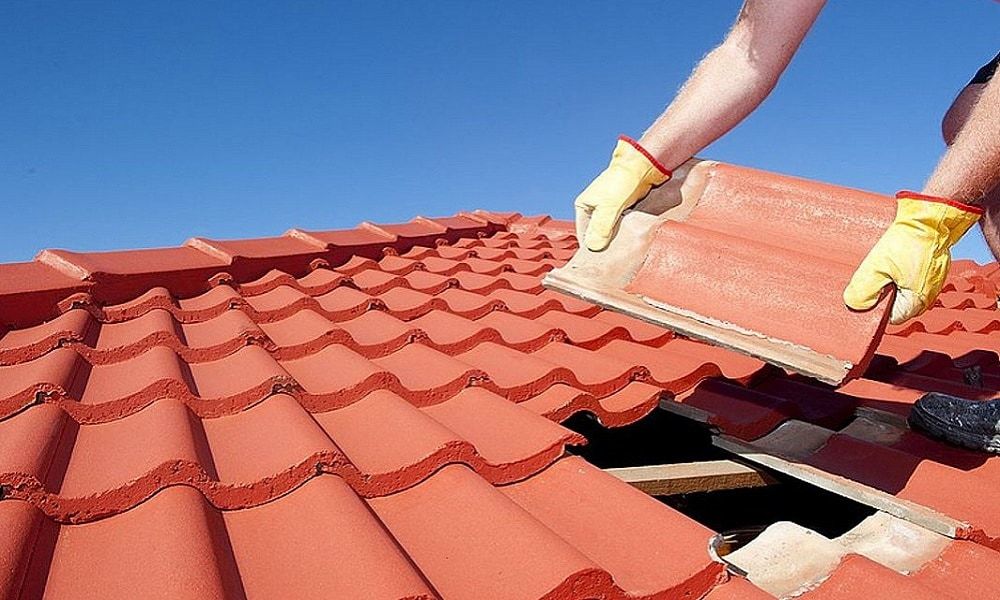
Clay and concrete tiles break from impact but rarely wear out otherwise. Replacement tiles must match existing dimensions, weight, and mounting systems. Tiles from different manufacturers often look similar but have incompatible attachment mechanisms. Repair materials include:
- Mortar mixes appropriate for tile weight and roof pitch requirements
- Tile hooks or clips matching original mounting hardware
- Underlayment sections compatible with existing waterproof barriers
- Flexible valley flashing accommodating tile edges without gaps
Tile color matching presents challenges since clay oxidizes over decades, developing patinas impossible to replicate with new tiles. Concrete tiles fade from UV exposure, creating stark contrasts between repairs and surrounding originals. Some repairs intentionally use contrasting tiles, avoiding the futile attempt at exact matching.
-
Flat membrane options
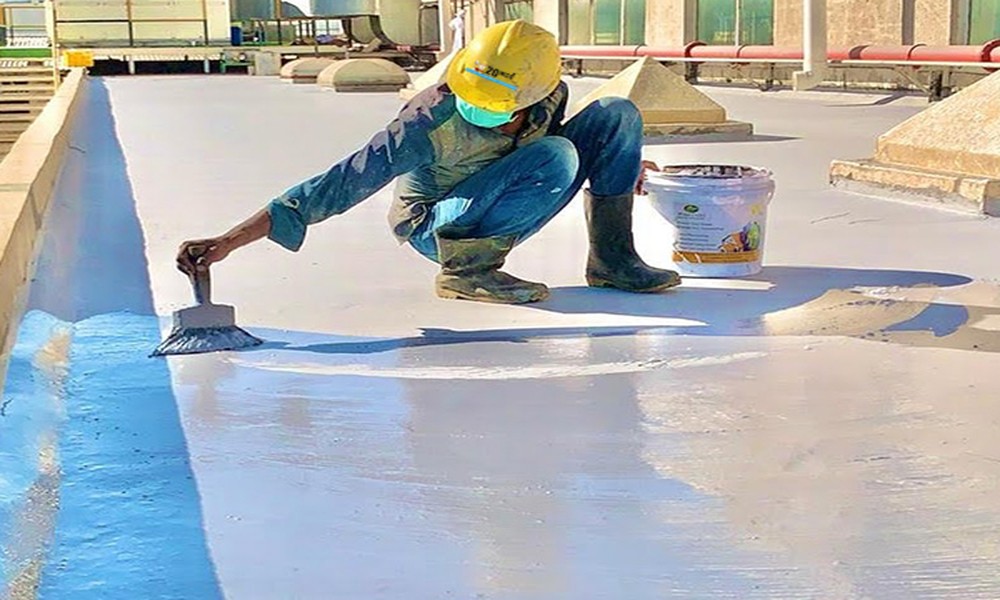
Single-ply membranes like EPDM, TPO, and PVC each require specific adhesives and primers. These materials cannot be mixed. TPO adhesives will not bond EPDM properly. PVC solvents dissolve TPO. Repair materials must match the existing membrane chemistry exactly:
- Primers activating membrane surfaces for adhesive bonding
- Lap sealants formulated for specific membrane compounds
- Reinforcing fabric compatible with the membrane material
- Cleaning solutions that prepare surfaces without degrading membranes
Modified bitumen systems use torch-applied or cold-adhesive repairs depending on original installation methods. Self-adhering patches work for some damage but require proper surface preparation, removing all contaminants. Membrane repairs failing within months usually result from using incompatible adhesive chemistry.
-
Wood shake repairs
Cedar shake and shingle roofs need replacement pieces milled from identical wood species. Pressure-treated or chemically preserved wood doesn’t match the untreated cedar’s appearance or weathering characteristics. Wood roof repair materials consist of:
- Split cedar shakes matching the thickness dimensions of existing pieces
- Copper or stainless fasteners resisting corrosion in acidic cedar tannins
- Preservative treatments penetrate wood without leaving surface residue
- Flashing materials compatible with cedar oils that degrade some metals
New cedar weathers to gray within months but initially appears bright orange, creating obvious color differences. Some owners prefer this contrast, while others wait for natural weathering to blend repairs visually.
Using correct materials matched to roof types prevents premature repair failures while ensuring long-term weatherproofing performance.