

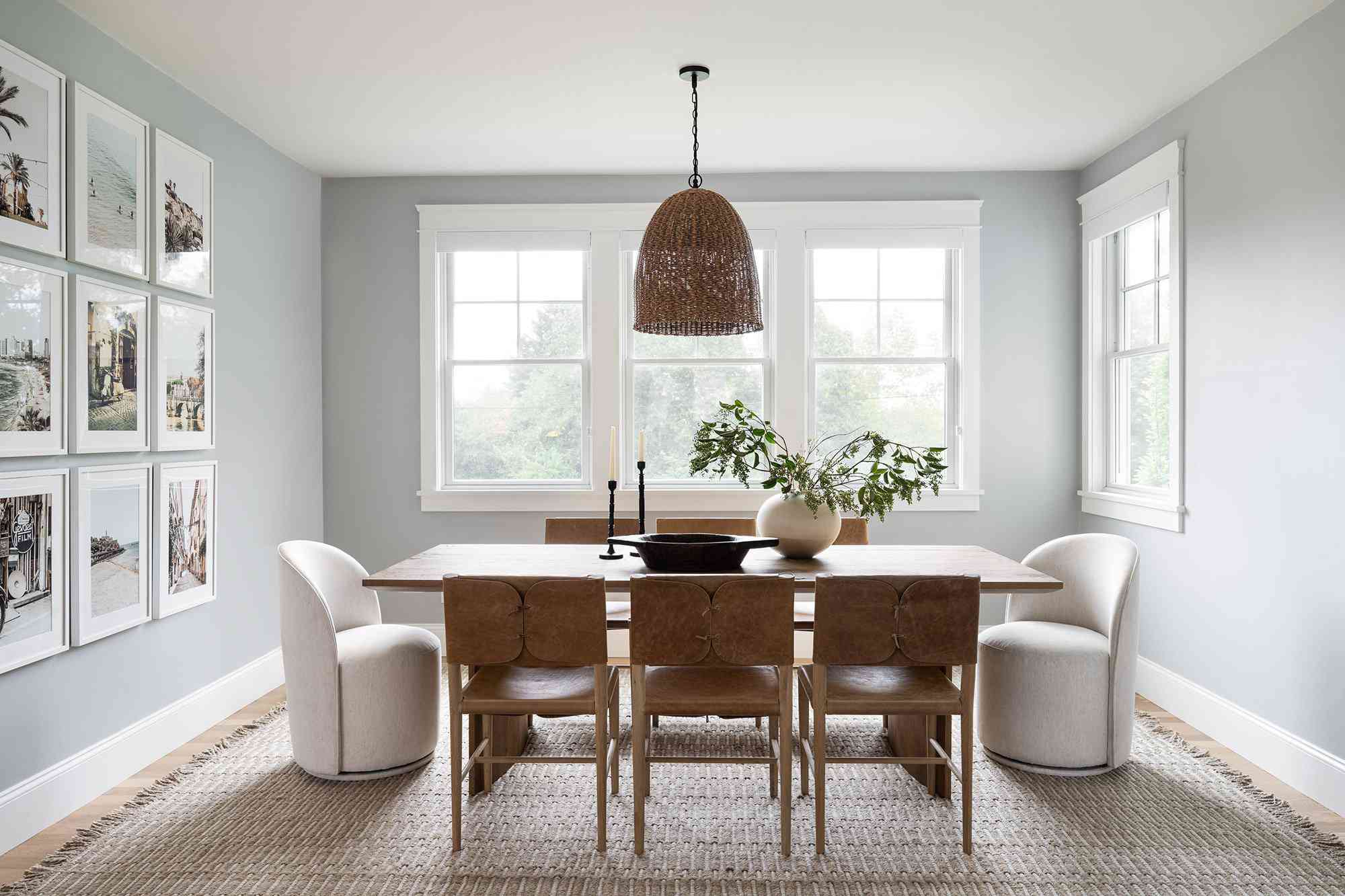
Small dining rooms can be tricky. They’re cosy, yes, but they can also feel cramped, crowded, and just a little… frustrating. You want to enjoy meals without bumping elbows, and you want your table to actually work for you, not just be a place where clutter collects.
The good news? You don’t need a massive renovation or to buy a bigger table. With a few smart tweaks, your small dining space can feel open, organised, and surprisingly comfortable.
Start With the Right Table
Dining table is the heart of any dining room, so it pays to think carefully about size and shape. In a small space:
- Round tables are your friends. They make movement easier and prevent the “cornered elbow” problem.
- Extendable tables are great for when guests come over but can shrink back down for daily meals.
- Slim, rectangular tables work well against a wall if you rarely host big groups.
Picking the right table for the dining space upfront sets the tone for the rest of the room. A well-chosen piece can make a tiny space feel thoughtful rather than cramped.
Clear the Clutter, Keep Only Essentials
Small dining rooms often double as storage spots. Mail, keys, random chargers… suddenly your table is buried under stuff.
Make it a rule: the dining table is for meals, conversation, and maybe the occasional board game. Everything else? Find a home for it elsewhere. A small sideboard, wall shelf, or even clever storage under the table (hello, baskets!) keeps clutter off the surface while staying accessible.
Use Light and Mirrors to Open Up the Space
This one’s simple but surprisingly effective. Bright lighting and reflective surfaces make small rooms feel bigger.
- A statement pendant light above the table draws the eye upward, giving the illusion of height.
- Mirrors on one wall bounce light and expand the room visually. Even a few small framed mirrors work wonders.
- Transparent chairs (like acrylic) or benches also help prevent the space from feeling crowded.
Little changes like these make a huge difference without taking up extra square footage.
Think Flexible Seating
In a small dining room, flexibility is key. Instead of fixed chairs, consider:
- Benches on one side. They tuck neatly under the table when not in use.
- Stackable chairs for guests. You can bring them out when needed and store them out of the way otherwise.
- Mix-and-match seating. It adds personality and allows you to move things around easily.
Flexibility lets you adapt your space for everyday meals, weekend brunches, or unexpected visitors without feeling crowded.
Make Storage Part of the Furniture
Small spaces reward smart furniture. Consider dining tables or benches with built-in storage. Italy-inspired designs, for example, often combine quality and clever storage solutions: drawers for napkins, compartments for placemats, or hidden shelves for extra cutlery.
When your table and seating do double duty, you free up other parts of the room and keep everything organised. It’s the small details that make living in a compact space feel luxurious rather than cramped.
Play With Scale and Decor
In a tiny room, less is more—but that doesn’t mean boring.
- Artwork: A single, eye-catching piece above the table can draw attention upward and give the room a focal point.
- Rugs: A well-chosen rug defines the dining area. Make sure it’s proportionate; too big can overwhelm, too small can look awkward.
- Plants or flowers: A small vase or tabletop plant adds life without taking up much space.
Keeping proportions in mind ensures that each element supports the room instead of fighting for attention.
Keep the Flow
The biggest secret to making a small dining room work? Flow. You want people to move easily around the table.
- Avoid placing chairs too close to walls or other furniture.
- Keep walkways clear. Even a few extra inches make a room feel less crowded.
- Think about how you use the space daily—don’t sacrifice comfort for looks.
A room that flows naturally feels bigger and more inviting, no matter the square footage.
Bonus Tip: Make It Multifunctional
Small dining rooms often need to serve more than one purpose. Consider using the table for:
- Homework or work-from-home tasks
- Crafting or hobbies
- Temporary buffet or coffee station during parties
The key is to keep everything organised and adaptable. Storage solutions, clear surfaces, and multi-purpose furniture make it easy to switch roles without turning the room into chaos.
The Takeaway
Small dining rooms don’t have to feel cramped. The right table, clever storage, flexible seating, and thoughtful decor can turn even a tiny space into a cosy, functional hub for meals and conversation.
With a few simple tweaks, and maybe a little inspiration from quality designs like Italy-made furniture, you can maximise your table, reclaim your room, and finally enjoy a dining space that actually works for you.


