
A few ants near the sink or along a baseboard may not seem like a problem at first. However, their presence may point to a larger issue nearby. The climate and landscape in Riverside offer favorable conditions for many ant species. That is why many homeowners may wonder if they should be concerned about these creatures and hire a pest control company in Riverside to help them manage the issue.
Common Ant Species Found Around Homes
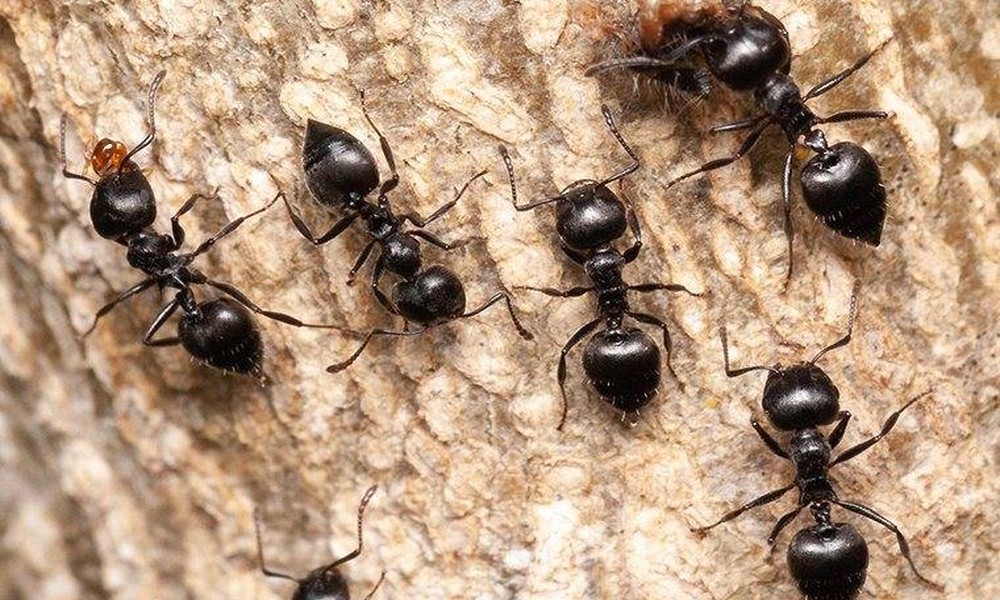
Several ant species affect Riverside properties, each with its own habits and risks.
- Argentine ants. These ants form large colonies and invade kitchens and bathrooms in search of food and water. They often appear in long trails.
- Odorous house ants. These are known for a strong smell when crushed. These ants prefer sweet foods and often nest near moisture.
- Pavement ants. These ants build nests under driveways, patios, and foundations, then move indoors for food.
- Carpenter ants. These are less common but more concerning. Carpenter ants tunnel through wood and can damage structures over time.
Homeowners who are aware of the ant species they face will know how serious the issue may become.
Ants and Indoor Spaces
Scout ants search for food and leave scent trails that guide others to the source. That is why ants appear in lines along walls, counters, or floors. Ants are drawn to kitchens and pantries due to crumbs, spills, and stored food. Also, they can be attracted to bathrooms because of water sources. They may visit repeatedly if they can sense the presence of pet food bowls left out overnight.
Structural Risks You Should Know About
Not all ants pose a structural risk, but some deserve close attention. Carpenter ants do not eat wood, but they carve tunnels inside it to build nests. This activity can weaken beams, window frames, and wall studs. Carpenter ants are drawn to moist or damaged wood. Also, their activity may increase when there are leaky pipes, roof issues, or poor drainage.
Outdoor Ant Activity is also An Important Consideration
Many ant problems start outside. Nests may form near foundations, under concrete slabs, or in mulch beds. From there, ants move indoors when food becomes available. Outdoor ant trails along walls or near entry points signal nearby colonies. Ants use small cracks, gaps around doors, and utility openings to enter homes. Riverside yards with dense plants touching exterior walls offer ants easy access indoors. Homeowners can reduce this pathway if they trim vegetation away from structures.
Health and Sanitation Concerns
Ants may seem less threatening than other pests, but they still pose health concerns. Ants travel through soil, trash, and drains before reaching food preparation areas. This movement allows them to spread bacteria onto counters and dishes. Some ants also bite or sting, which can cause irritation or allergic reactions in sensitive individuals.
Why DIY Control Cannot be Trusted
Many homeowners turn to sprays or bait stations at the first sign of ants. These tools may reduce visible activity for a short time, but they may fail to address the colony itself. Sprays kill ants on contact but do not affect nests hidden behind walls or under soil. Some ants respond by splitting colonies, which leads to more nests and a wider spread. Store-bought baits may not match the food preferences of the species present. Without proper identification, ants may ignore the bait altogether.
Professional Control Offers Broader Coverage
Professional ant control from Akela Pest Control focuses on the colony and the conditions that support it. Pest professionals inspect indoor and outdoor areas to locate nests, trails, and entry points. Treatment plans often include targeted baits that worker ants carry back to the colony. This method reduces the population at its source rather than just on the surface. Professionals also address moisture issues, access points, and landscaping factors that attract ants.
About the Author