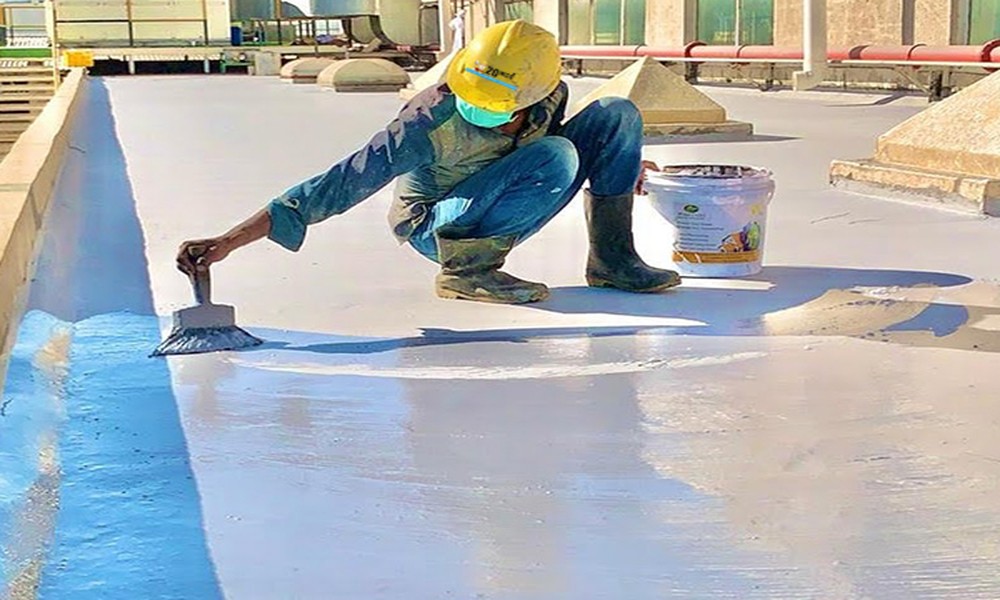

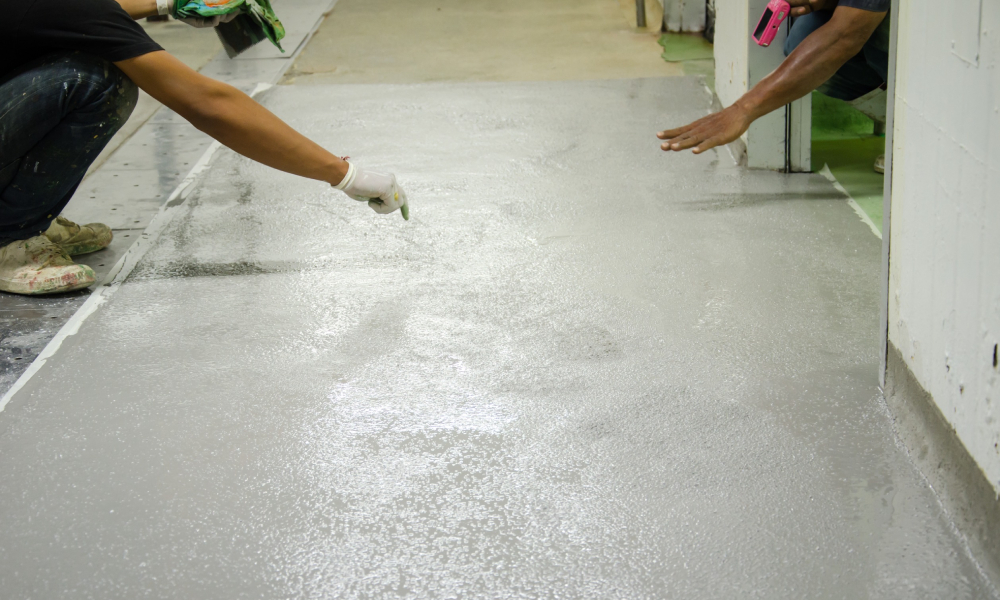
High temperature coatings play a crucial role in protecting industrial equipment, machinery, and structural components from extreme heat, oxidation, and corrosion. These specialized coatings extend the lifespan of surfaces exposed to high thermal stress and harsh operating conditions, making their proper maintenance essential. Neglecting the care of high temperature coatings can lead to premature degradation, reduced efficiency, and increased repair costs. Understanding practical maintenance strategies ensures that these coatings continue to perform effectively, safeguarding both equipment and investment.
Regular Inspection and Monitoring
One of the most effective ways to maintain high temperature coatings is through regular inspection and monitoring. Over time, even the most durable coatings can develop cracks, blistering, or discoloration due to thermal cycling and environmental exposure. Visual inspections allow operators to identify early signs of wear before they escalate into significant problems. Checking for surface integrity, adhesion issues, and potential contamination is essential to maintaining coating performance.
In addition to visual inspection, advanced monitoring techniques such as ultrasonic testing or infrared thermography can help detect hidden damage that may not be immediately visible. These tools provide a detailed understanding of coating thickness, adhesion strength, and potential areas of degradation. For industries relying on high temperature coatings in critical applications, regular monitoring ensures consistent performance and prevents unexpected downtime.
Cleaning and Surface Preparation
Maintaining the cleanliness of coated surfaces is vital for prolonging the life of high temperature coatings. Accumulated dirt, grease, or chemical residues can compromise the protective properties of the coating and accelerate wear. Routine cleaning using non-abrasive methods, such as soft brushes, mild detergents, or low-pressure water washing, is recommended to avoid damaging the surface. Harsh chemicals and high-pressure washing should generally be avoided unless approved by the coating manufacturer.
Proper surface preparation is equally important if touch-ups or repairs are necessary. Removing any debris, rust, or loose material ensures that new coating layers adhere properly. Following manufacturer guidelines for surface preparation and curing times helps maintain the integrity of high temperature coatings, ensuring they continue to provide optimal protection against extreme heat and environmental stressors.
Repairing and Recoating Damaged Areas
Even with regular maintenance, some sections of high temperature coatings may sustain damage over time. Prompt repair and recoating of affected areas are crucial for preserving overall performance. Small cracks, chips, or worn areas can be addressed using compatible coating materials, following proper application techniques. Ignoring minor damage can result in heat penetration, oxidation, or corrosion, compromising the substrate and reducing the effectiveness of the coating.
For extensive damage, professional evaluation may be required. Coating specialists can assess the severity of wear, recommend appropriate repair methods, and ensure that recoating is carried out under optimal conditions. By addressing problems promptly and systematically, equipment owners can extend the lifespan of high temperature coatings and maintain reliable thermal protection for critical components.
Environmental and Operational Considerations
Maintaining high temperature coatings also involves paying attention to environmental and operational conditions. Exposure to excessive moisture, chemical contaminants, or mechanical abrasion can accelerate coating degradation. Adjusting operational parameters, such as controlling peak temperatures and minimizing thermal shocks, can reduce stress on the coating and extend its useful life.
Additionally, implementing protective measures like insulation, shields, or controlled atmospheres can further enhance the durability of high temperature coatings. Understanding the specific environment in which the coated equipment operates allows for tailored maintenance strategies that prevent damage and optimize performance. Regularly reviewing operational practices and environmental conditions ensures that coatings remain effective in even the most challenging settings.
High temperature coatings are essential for maintaining the safety, efficiency, and longevity of industrial equipment and structures. Through regular inspection, careful cleaning, prompt repair, and attention to environmental conditions, these coatings can provide long-lasting protection against extreme heat and harsh operating environments. By implementing practical maintenance tips, operators ensure that high temperature coatings continue to perform as intended, preserving both the equipment and the investments made in protective surface solutions.