
To understand why medium duty PU screed has become the flooring system of choice for food processing facilities, commercial kitchens, and light manufacturing operations across Singapore and beyond, one must first understand the fundamental problem these industries have faced for decades: the search for a floor that could withstand constant assault from moisture, moderate traffic, and thermal shock whilst maintaining the hygienic standards demanded by modern food safety regulations. This is the story of how polyurethane screed technology solved that problem.
The Evolution of PU Screed Flooring Systems
The development of polyurethane screed flooring did not happen overnight. For years, facility managers faced an impossible choice. Traditional concrete floors cracked under thermal stress. Epoxy systems, whilst durable, proved brittle when exposed to the rapid temperature changes common in food preparation areas. Vinyl and tile created seams where bacteria could harbour. What was needed was a flooring system that combined the best properties of multiple materials whilst eliminating their weaknesses.
Polyurethane technology provided the answer. The chemistry behind medium duty pu screed involves the reaction between polyol resins and isocyanate hardeners, creating a material that possesses remarkable flexibility alongside considerable strength. Unlike rigid epoxy systems, the cured polyurethane maintains elasticity, allowing it to expand and contract with temperature fluctuations without cracking. This single property revolutionised flooring in environments where hot water washdowns follow cold storage conditions.
The classification of “medium duty” reflects careful engineering calculations about load-bearing capacity and traffic intensity. These systems typically range from 4 to 6 millimetres in thickness, positioned precisely between light-duty coatings and heavy-duty screeds designed for extreme industrial conditions.
Understanding the Protection and Performance
The performance characteristics of PU screed systems reveal why they have gained such prominence in specific applications. Consider the daily reality of a commercial kitchen. Throughout morning preparation, floors endure dropped utensils, spilled liquids, and constant foot traffic. During service, temperatures rise. Then comes the evening washdown, when near-boiling water and aggressive cleaning chemicals flood across the surface, followed by rapid cooling overnight.
This cycle would destroy most flooring materials within months. Yet medium duty polyurethane screed endures it year after year. The key advantages include:
Thermal shock resistance
The material withstands temperature variations from minus 40 degrees Celsius to plus 120 degrees Celsius without degradation, a range that encompasses virtually every food service scenario.
Chemical tolerance
Resistance to oils, fats, acids, and alkaline cleaning solutions means the floor maintains integrity despite constant chemical exposure.
Seamless installation
Applied as a liquid that self-levels before curing, the finished surface contains no joints or seams where contaminants could accumulate.
Slip resistance
Aggregate can be broadcast into the surface during installation, creating texture that provides grip even when wet, addressing the perpetual safety concern in food preparation environments.
Rapid curing
Most medium duty PU floor installations cure sufficiently for light foot traffic within 24 hours, with full chemical resistance developing within days.
Professionals working with Singapore’s medium duty pu screed applications report, “The thermal shock resistance proves absolutely critical in food facilities where compliance with hygiene protocols demands regular high-temperature cleaning.”
Ideal Applications: Where Medium Duty PU Screed Excels
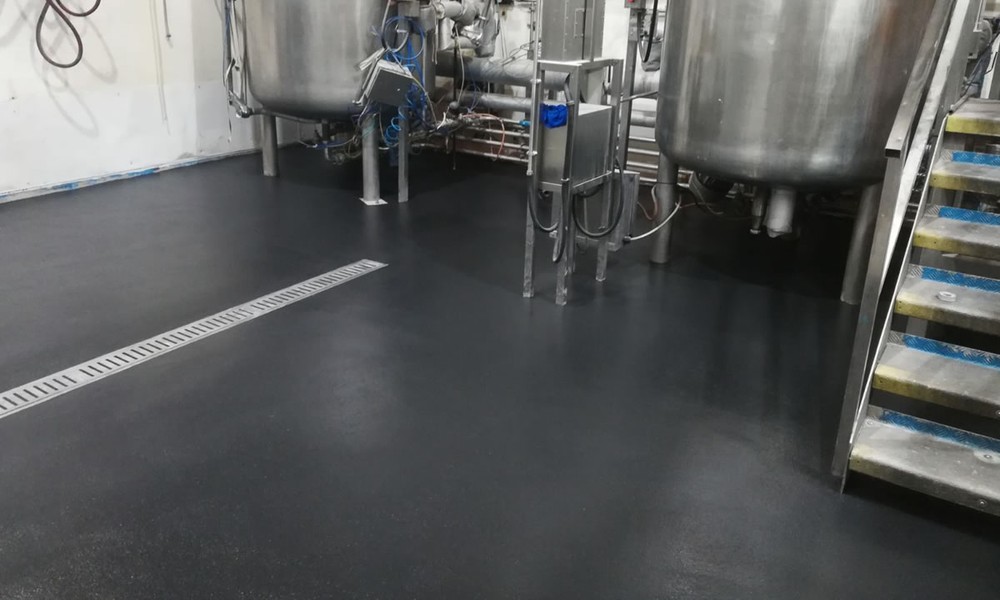
Food processing facilities represent the primary domain where medium duty PU screed flooring demonstrates its value. In meat processing plants, bakeries, dairy facilities, and beverage production areas, the combination of moisture resistance, chemical tolerance, and thermal stability proves indispensable. Regulatory bodies increasingly specify seamless, impervious flooring in these environments, making polyurethane systems not merely advantageous but often mandatory.
Commercial kitchens in restaurants, hotels, hospitals, and schools have similarly embraced PU screed technology. The ability to withstand the punishment of professional food service whilst meeting health department requirements makes these floors the logical choice for discerning facility managers.
Light manufacturing operations, particularly in pharmaceutical production, electronics assembly, and precision manufacturing, benefit from the clean, seamless surface that prevents contamination. The moderate thickness of medium duty systems provides adequate protection against the lighter industrial traffic these facilities experience whilst maintaining cost-effectiveness.
Cold storage facilities and temperature-controlled warehouses exploit the thermal properties of polyurethane flooring. The material’s flexibility prevents the cracking that plagues rigid systems in these extreme environments.
Installation Considerations and Critical Success Factors
The successful installation of medium duty PU screed depends upon meticulous attention to substrate preparation and environmental conditions. The concrete base must be thoroughly cleaned, properly cured, and tested for moisture content. Any deficiencies in the substrate will telegraph through to the finished floor, compromising performance and longevity.
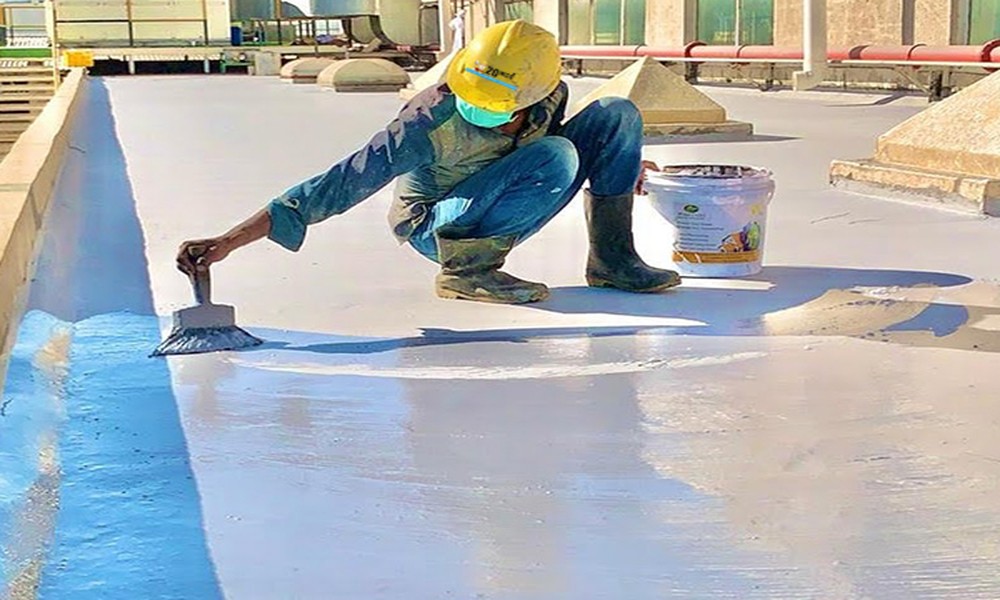
The application process requires precise mixing ratios and careful timing. The material’s self-levelling properties demand skilled techniques to achieve uniform thickness across the entire floor area. Temperature and humidity during installation must fall within specified parameters, a consideration particularly relevant in Singapore’s tropical climate.
Primers ensure proper adhesion between concrete and polyurethane. The base coat provides structural thickness. Topcoats add final chemical resistance and appearance. Each layer requires adequate curing before subsequent applications proceed.
According to specialists familiar with Singapore’s medium duty pu screed installations, “Proper substrate preparation accounts for 70 per cent of installation success, a fact that inexperienced applicators often learn through expensive failures.”
The Informed Decision
Selecting medium duty pu screed for your facility requires understanding both its capabilities and its limitations. These systems excel in moderate-traffic environments requiring thermal stability and chemical resistance. They prove less suitable for heavy forklift traffic or extreme impact conditions, where heavier-duty screeds become necessary.
The investment, typically ranging from SGD 45 to SGD 95 per square metre in Singapore markets, reflects the specialised materials and skilled labour required. Yet the lifespan of 12 to 18 years, combined with minimal maintenance requirements and regulatory compliance, demonstrates the economic wisdom of choosing quality PU flooring systems.
For food service operations, pharmaceutical facilities, and light manufacturing environments demanding hygienic, durable, thermally stable floors, few solutions match the comprehensive performance of medium duty pu screed.