
Navy family housing, especially in older structures, can sometimes contain asbestos. This material was once widely used in building supplies because it’s strong and resistant to heat and electricity. However, we now know it poses serious health risks when its fibers become airborne and are inhaled. Understanding where asbestos might be found and how it becomes a hazard is the first step in protecting your family.
Common Locations of Asbestos in Older Homes
Asbestos was incorporated into many building materials for its insulating and fireproofing qualities. In older homes, you might find it in:
- Insulation: Around pipes, boilers, and in attic spaces.
- Flooring: Vinyl tiles and the adhesive used to lay them.
- Ceiling tiles: Particularly in older acoustic ceiling panels.
- Textured paints and coatings: Like popcorn ceilings.
- Roofing and siding materials: Shingles and cement.
How Asbestos Fibers Become Airborne
Asbestos-containing materials (ACMs) are generally safe as long as they are undisturbed and in good condition. Problems arise when these materials degrade or are damaged. Activities that can release asbestos fibers into the air include:
- Renovation or repair work: Drilling, cutting, sanding, or demolishing materials containing asbestos.
- Deterioration: Natural aging, water damage, or physical impact can cause ACMs to crumble.
- Disturbance: Simple actions like vacuuming or sweeping areas with damaged asbestos can stir up fibers.
Once airborne, these microscopic fibers can be easily inhaled. For military service members, particularly those with past service on ships, the risk of asbestos exposure is well-documented due to its widespread use in naval vessels [3d58].
Health Risks Associated with Asbestos Exposure
Inhaling asbestos fibers can lead to severe and often fatal diseases, typically developing many years after exposure. The most common conditions include:
- Asbestosis: A chronic lung disease that causes scarring, leading to breathing difficulties.
- Mesothelioma: A rare but aggressive cancer that affects the lining of the lungs, abdomen, or heart.
- Lung Cancer: Asbestos exposure significantly increases the risk of developing lung cancer, especially for smokers.
It’s important to remember that the risk is linked to the amount and duration of exposure. However, even short-term exposure to high concentrations can be dangerous.
Identifying Potential Asbestos Hazards
It’s not always obvious when asbestos is present in your home. Because it was used in so many building materials for so long, older Navy housing can sometimes contain it. Recognizing the signs of potential asbestos is the first step toward protecting your family’s health.
Signs of Deteriorating Asbestos-Containing Materials
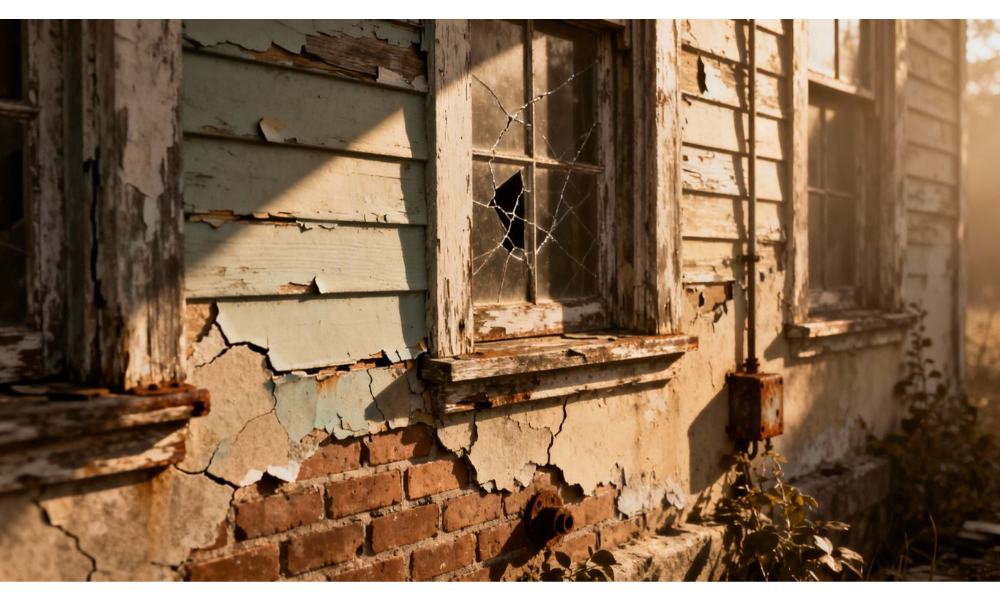
Asbestos itself isn’t dangerous when it’s sealed and intact. The risk comes when the material breaks down. You might see:
- Cracking or crumbling: Materials that are breaking apart easily are a red flag.
- Water damage: Leaks from roofs, pipes, or flooding can degrade asbestos-containing materials, making them more likely to release fibers.
- Fraying or tearing: Things like old insulation or pipe wrap can become worn over time.
If you notice any of these issues, it’s best to be cautious. The presence of deteriorating materials increases the chance of asbestos fibers becoming airborne. This is especially true in homes constructed before 1990, as asbestos was a common building component then [1c2d].
The Importance of Professional Inspection
Trying to identify asbestos on your own can be risky. You can’t see asbestos fibers, and disturbing suspect materials could release them into the air. The safest approach is always to call in a professional. Certified asbestos inspectors have the training and equipment to:
- Safely identify materials that might contain asbestos.
- Take samples without releasing fibers.
- Send samples to a lab for testing.
This professional testing is the only way to know for sure if asbestos is present and what type it is. It’s a small step that provides big peace of mind.
When to Suspect Asbestos in Your Home
Certain areas and materials in older homes are more likely to contain asbestos. If your Navy family housing was built before the 1980s, you should be particularly aware of:
- Insulation: Around pipes, boilers, and in attics or walls.
- Flooring: Vinyl tiles and the adhesive used to stick them down.
- Ceiling tiles: Especially textured or acoustic tiles.
- Textured paints and coatings: Like popcorn ceilings.
- Roofing and siding materials: Shingles and felt.
If you’re living in older military housing, it’s wise to be aware of these potential hazards. Military service members and veterans have faced higher risks due to asbestos use in various applications [9797].
Your Rights and Recourse Regarding Navy Housing
Tenant Rights in Government-Owned Housing
When living in Navy family housing, residents have specific rights, even though the properties are government-owned. These rights are designed to ensure a safe and habitable living environment. It is important for residents to be aware of these protections. While the specifics can vary slightly based on the particular housing agreement and Navy regulations, general principles apply. These often include the right to:
- A dwelling that meets basic health and safety standards.
- Timely repairs for issues that affect habitability.
- Protection against unfair eviction or lease termination.
- Notification of certain types of inspections or work being done on the property.
Understanding these rights is the first step in addressing any concerns that may arise.
Reporting Asbestos Concerns to Housing Authorities
If you suspect asbestos in your Navy housing, the proper procedure involves reporting it to the designated authorities. This typically means contacting the local Navy housing office or the property management company responsible for the specific housing area. When reporting, it’s best to be specific about your concerns. Note the location where you believe asbestos might be present, such as in ceiling tiles, insulation around pipes, or flooring. A clear and documented report is more likely to be acted upon promptly.
Here’s a general approach to reporting:
- Gather Information: Note the exact location and any visible signs of damage or deterioration.
- Contact the Right Office: Find the contact details for your local Navy housing liaison or property manager.
- Submit a Formal Request: Write a letter or email detailing your concerns. Keep a copy for your records.
- Follow Up: If you don’t receive a response within a reasonable timeframe, follow up on your report.
Seeking Assistance from Military Advocacy Groups
Sometimes, navigating the system to get issues resolved can be challenging. Military advocacy groups can be a significant resource for families facing problems with housing, including potential asbestos exposure. These organizations are often familiar with military housing policies and can provide guidance on how to proceed. They may offer:
- Information on tenant rights and responsibilities.
- Help in communicating with housing authorities.
- Support in documenting concerns and tracking progress.
- Referrals to legal or environmental professionals if needed.
Connecting with these groups can provide an extra layer of support and help ensure your concerns are addressed effectively.
Navigating the Process of Asbestos Remediation
When asbestos is identified in Navy family housing, a structured approach to remediation is necessary. This process involves several key players and decisions to protect residents and the property.
The Role of the Navy in Addressing Asbestos Issues
The Navy has a responsibility to maintain safe living conditions for its families. This includes identifying and managing asbestos-containing materials (ACMs) within housing units. When concerns are raised, the Navy is expected to investigate and implement appropriate actions. This often involves coordinating with specialized environmental contractors. The goal is to address the hazard without causing undue disruption to families living in the homes. The Navy’s involvement is guided by federal regulations and internal policies designed to manage asbestos risks.
Understanding Remediation vs. Encapsulation
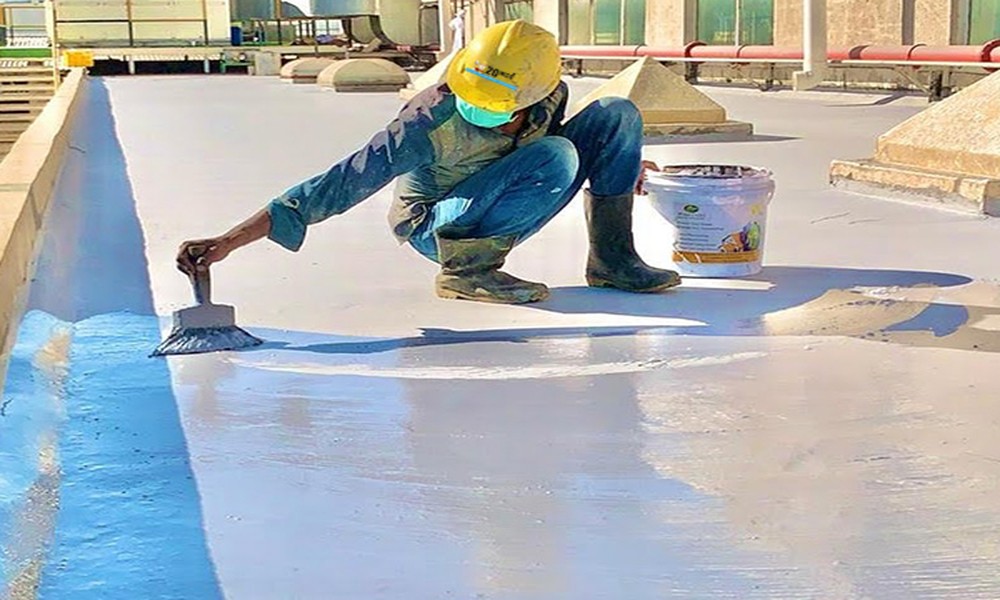
There are two primary methods for dealing with asbestos: remediation and encapsulation. Remediation, also known as abatement, involves the complete removal of the asbestos-containing material. This is generally considered the most effective long-term solution. Encapsulation, on the other hand, involves sealing the asbestos material to prevent fibers from becoming airborne. This might involve painting over it or using a specialized coating. While encapsulation can be a quicker and less disruptive option, it requires ongoing monitoring. The choice between these methods depends on the type of material, its condition, and the specific location within the home. For many situations, removal is the preferred approach, though it’s not always feasible or required by current regulations.
Ensuring Safe and Effective Asbestos Removal
Safe asbestos removal is a complex procedure that requires trained and certified professionals. The process typically includes:
- Containment: The work area is sealed off to prevent asbestos fibers from spreading to other parts of the home or to adjacent units.
- Removal: The ACMs are carefully removed using specialized tools and techniques.
- Cleaning: The area is thoroughly cleaned using HEPA vacuums and wet wiping methods to remove any residual fibers.
- Testing: Air monitoring is conducted before, during, and after the removal process to confirm that asbestos levels are safe.
- Disposal: Removed asbestos materials must be transported and disposed of as hazardous waste according to strict guidelines.
Families living in the affected housing may need to temporarily relocate during the remediation process to avoid exposure. The Navy should provide clear communication and support throughout this period, including information on temporary housing options and the timeline for returning to the home.
Legal Options for Navy Families Affected by Asbestos
Filing Claims for Health-Related Damages
When asbestos exposure in Navy family housing leads to serious health problems, families may have grounds to file claims. These health issues can range from respiratory problems to more severe conditions like mesothelioma. Pursuing compensation for these illnesses often involves demonstrating a direct link between the exposure in the housing and the diagnosed condition. This can be a complex process, requiring thorough documentation of medical history and evidence of asbestos presence. For veterans diagnosed with mesothelioma or other asbestos-related illnesses, legal avenues exist to pursue claims related to exposure on military bases, even though they cannot directly sue the government veterans diagnosed with mesothelioma.
Seeking Compensation for Property Damage
Beyond health concerns, asbestos contamination can also impact the value and habitability of a home. Families might be able to seek compensation for damages related to property devaluation or the costs associated with remediation if it’s determined that the Navy failed in its duty to maintain safe living conditions. This could include costs for professional inspections, temporary relocation during remediation, and repairs. Documenting any damage or diminished property value is key to building a case.
Consulting Legal Professionals Specializing in Asbestos Litigation
Given the intricate nature of asbestos litigation, especially concerning government housing, seeking guidance from experienced legal professionals is highly recommended. Attorneys specializing in asbestos cases understand the specific laws and regulations that apply to military families and government properties. They can help families:
- Assess the strength of their case.
- Gather necessary evidence, including medical records and housing inspection reports.
- Understand the different types of claims that can be filed.
- Navigate the legal procedures and deadlines.
- Negotiate settlements or represent them in court if necessary.
Finding the right legal counsel can make a significant difference in the outcome of a claim.
Preventative Measures and Future Protections
Proactive Steps for Home Safety
Taking a proactive stance is key to maintaining a healthy living environment. For families residing in older Navy housing, this means being aware of potential asbestos risks and taking steps to mitigate them. Regularly inspect accessible areas of your home for any signs of material damage, such as crumbling insulation around pipes or loose tiles. If you notice anything concerning, it is best to avoid disturbing the material and report it immediately to the housing authority. Documenting all communications and observations is highly recommended. Simple actions like avoiding unnecessary renovations without proper oversight can also prevent the release of hazardous fibers.
Advocating for Stricter Housing Standards
Beyond individual home safety, advocating for improved housing standards benefits the entire Navy family community. This can involve participating in tenant councils, providing feedback on housing conditions, and supporting initiatives that push for more rigorous inspections and maintenance protocols for older housing stock. Raising awareness about the long-term health impacts of asbestos exposure can encourage housing officials to prioritize remediation and modernization efforts. Collective voices can influence policy changes that lead to safer living conditions for all.
Resources for Ongoing Health Monitoring
For families who have lived in or suspect exposure to asbestos in Navy housing, ongoing health monitoring is a sensible precaution. It is advisable to discuss your concerns with a healthcare provider, who can offer guidance on potential health screenings. Keeping records of your housing history, including any reported asbestos concerns or remediation efforts, can be helpful for medical professionals. Several organizations offer resources and support for individuals concerned about asbestos exposure, providing information on health risks and available assistance.
Tools & Resources
- Mesothelioma Hub
- Purple Heart Foundation
- Lanier Law Firm
- Asbestos.com
- Mesothelioma Veterans Center
- Veterans Guide to Mesothelioma
- Mesothleioma Vets
- Mesothelioma .com
About the Author