Kansas City Pest Control: Why Brown Marmorated Stink Bug Pressure Looks Different at the Edge of the Metro

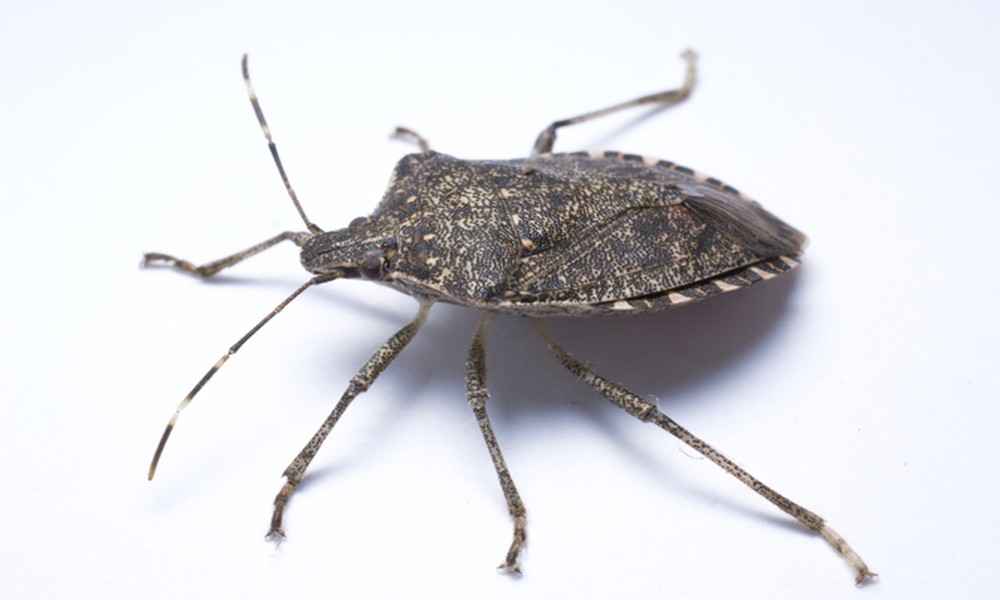
A homeowner in Lawson notices brown marmorated stink bugs on the south side of the house starting the second week of September and watches the population grow steadily through October. A homeowner twenty miles south in Lee’s Summit sees the same species arrive a couple of weeks later and in smaller numbers. A third homeowner in a Clinton County farmhouse with soybean fields across the road deals with a population that appears almost overnight after harvest and reaches densities the suburban homes never see. Same species. Same season. Very different pressure. Kansas City pest control providers that work the metro edge, including ZipZap Termite & Pest Control in Lawson, see this pattern every fall, and the difference matters because a treatment program built for suburban overwintering pressure is not the same program that works for agricultural post-harvest dispersal.
The Two Distinct Population Waves
Brown marmorated stink bug (Halyomorpha halys) activity around Kansas City follows two overlapping but distinct patterns, and understanding them separately clarifies why some properties see relatively manageable numbers while others are overrun.
The suburban overwintering pattern is the one most homeowners know. Adult stink bugs begin seeking winter shelter in response to shortening day length and cooling nights, and they target warm, south- and west-facing exterior walls of homes, apartment buildings, and commercial structures. This pattern begins in mid-September and continues through early November. The population size reflects how many adults produced fall reproductives in urban and suburban landscape plantings (ornamental trees, shade trees, garden plants) during the preceding growing season. Densities in established suburban neighborhoods are usually moderate and predictable.
The agricultural dispersal pattern is the one most homeowners outside of farming communities do not realize exists. Brown marmorated stink bugs are a significant agricultural pest on soybeans, corn, apples, and several other commercial crops. Populations in field-crop environments can reach densities that dwarf what a suburban yard produces. When harvest begins (soybean harvest in the Kansas City area typically runs mid-September through late October, depending on weather and variety), the mass of insects that had been feeding in the field disperses rapidly. Those insects then seek overwintering shelter in any warm structure within flight range, and flight range for this species is substantial.
Why the Metro Edge Sees Higher Pressure
Kansas City sits at an unusual geographic interface. The metro itself is densely developed urban and suburban, but Platte, Clay, Clinton, Ray, Jackson, and Johnson counties all include significant agricultural land, and the transition from developed to agricultural happens within a few miles in most directions.
The northern counties (Clay, Clinton, Platte) have the largest concentration of row-crop agriculture adjacent to residential development. Properties in Lawson, Kearney, Smithville, Excelsior Springs, Plattsburg, and the outer edges of Liberty and Parkville sit within the dispersal range of agricultural stink bug populations. The southern and eastern counties (Cass, eastern Jackson, Ray) show similar patterns in different proportions. Platte County properties near corn and soybean operations, along with homes in the transitional zones around the 435 beltway where subdivisions meet preserved agricultural land, experience meaningfully higher fall pressure than identical homes five or ten miles farther into the metro core.
Penn State Entomology research on brown marmorated stink bug dispersal, along with USDA work on migration dynamics, has documented stink bug flight distances of several miles during post-harvest dispersal events. A soybean field two miles from a home is close enough to supply overwintering adults.
Why Generic Fall Treatment Programs Underperform in This Scenario
Most residential fall pest prevention programs are designed for suburban overwintering pressure. A typical fall treatment consists of an exterior residual application to the south and west sides of the home, applied in late August or early September, timed to intercept adults seeking shelter.
The program works reasonably well against the suburban pattern because the dispersal is gradual and population density is moderate. The program underperforms against the agricultural dispersal pattern for several reasons.
Timing is off for post-harvest dispersal. A late-August treatment applied to a property near soybean fields has degraded significantly by the time harvest-driven dispersal begins in mid-October. The residual window does not match the actual pressure window.
Coverage is inadequate for higher densities. Residential perimeter treatments assume moderate fall pressure. When thousands of insects arrive over a few days from a nearby harvest, the perimeter barrier saturates and the insects that arrive later face less effective treatment.
Entry point exclusion becomes more important than chemical barrier. At agricultural dispersal densities, even a thoroughly treated perimeter passes meaningful numbers of insects through gaps, vents, and utility penetrations. Homes at the metro edge benefit from exclusion-focused work (screening gable vents, sealing siding gaps, addressing soffit transitions) that suburban homes can often skip without consequence.
Timing of second applications matters. A property in a high-pressure zone usually benefits from a follow-up treatment in early to mid-October, timed to the actual harvest dispersal window in the surrounding fields, rather than relying on a single late-summer application.
What a Thorough Program Actually Looks Like for Edge Properties
Effective treatment for properties in agricultural-interface zones combines several elements not always included in standard residential fall programs.
Exterior exclusion inspection in August or early September, focusing on vent screening, siding gaps, window and door weatherstripping, and soffit corner seals. The goal is to reduce the number of entry points before the dispersal wave arrives, which matters far more at high densities than at moderate ones.
Initial perimeter treatment in late August or early September, similar to a standard fall program but with closer attention to south- and west-facing walls and the transition zones around windows and door frames where insects tend to cluster.
A follow-up treatment timed to harvest completion in the immediate area, typically early to mid-October. This requires local knowledge of soybean and corn harvest timing, which varies by year based on planting dates, weather, and grain moisture content.
Monitoring of population arrival through the season, with the ability to adjust treatment timing if early or late harvest shifts the dispersal window.
Kansas City pest control providers that serve the metro edge regularly, including ZipZap Termite & Pest Control, build programs around this understanding rather than applying a one-size suburban approach across their service area.
What Homeowners Can Verify About Their Own Exposure
A property’s actual exposure can be assessed directly.
Look at the surrounding landscape within a two- to three-mile radius. Active row-crop agriculture (corn and soybeans visible on satellite imagery in Google Maps or a similar tool) within this range means the property sits in the agricultural dispersal zone.
Check the previous year’s pattern. Properties that experienced heavy fall stink bug activity in October despite fall treatment almost certainly sit in an agricultural dispersal zone and would benefit from the adjusted program.
Note the direction of the nearest agricultural land. Stink bug dispersal favors wind direction during harvest, so properties downwind of fields during typical September and October wind patterns (generally south and southeast winds in the Kansas City area during this window) see higher pressure than upwind properties.
The Short Version
Brown marmorated stink bug pressure around Kansas City is not uniform across the metro. Properties at the edge of the developed area, particularly those within a few miles of active row-crop agriculture, face a post-harvest dispersal wave that suburban treatment programs were not designed to handle. Exclusion work, adjusted timing, and a second application aligned to harvest completion all produce better outcomes than a standard fall program. For homeowners in Lawson, Kearney, Smithville, Plattsburg, and the outer northern and eastern suburbs, a Kansas City pest control provider such as ZipZap Termite & Pest Control that understands the agricultural-interface pattern delivers measurably better fall pest control than a generic perimeter treatment.