

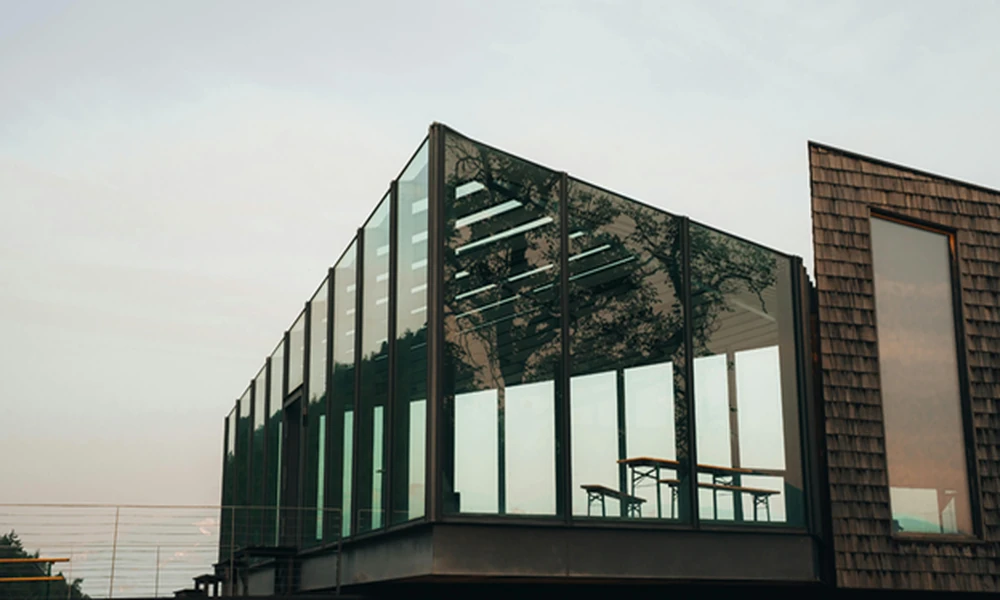

For centuries, architecture was defined by mass, weight, and enclosure. Buildings were fortresses designed to protect their inhabitants from the elements, with thick walls and small apertures. Today, however, the paradigm has dramatically shifted. In contemporary architecture, light is no longer just a byproduct of a window; it is treated as a primary, tangible building material. Coupled with monumental advancements in structural engineering, glass has become the defining feature of modern luxury.
By dissolving the barriers between the interior and the exterior, visionary designers are creating homes and cultural spaces that feel completely tethered to their surrounding landscapes. Here are some of the most jaw-dropping examples of how glass and light are being utilized to redefine contemporary architecture.
1. The Vanishing Façade and the Disappearing Threshold
In temperate climates and coastal regions, the traditional concept of a “wall” has been rendered nearly obsolete. Contemporary estates frequently feature expansive, floor-to-ceiling glass panels that stretch continuously for dozens of feet. Through the use of motorized, multi-track sliding systems, these monolithic walls of glass can retract completely, disappearing into hidden structural pockets.
The result is a jaw-dropping optical illusion: the living room, dining area, and outdoor pool deck instantly merge into one uninterrupted pavilion. This seamless integration allows the home to breathe with the natural environment, drawing coastal breezes and shifting sunlight deep into the interior spaces, fundamentally altering how inhabitants experience daily life.
2. The Floating Canopy via Clerestory Glazing
One of the most striking visual tricks in modern design is the illusion of a floating roofline. By incorporating continuous clerestory windows-bands of glass installed at the uppermost section of a wall, right where it meets the ceiling-architects can visually disconnect the roof from the foundational walls.
When sunlight hits these elevated ribbons of glass, the heavy, cantilevered roofs appear weightless, hovering effortlessly above the living spaces. This technique not only draws in a soft, ambient glow that illuminates the ceiling throughout the day, but it also allows for abundant natural light without compromising the privacy of those inside.
3. Curved and Sculptural Glazing
Historically, glass was relegated to rigid, flat planes. Today, bespoke manufacturing allows for extraordinary sculptural geometries. High-end contemporary homes perched on dramatic hillsides or cliff edges often feature custom-curved glass that wraps organically around the contours of the topography.
Imagine a multi-story residence shaped like a gentle propeller, with sweeping, panoramic wraparound windows that offer 360-degree views of a bustling city basin or a tranquil ocean horizon. This curved glazing removes harsh, right-angled corners, allowing the natural light to glide smoothly across the interior walls rather than casting sharp, heavy shadows. It transforms the home from a simple shelter into a luminous, living sculpture.
4. The Light-Core Atrium
In large-scale luxury residences, deep floor plans can easily result in dark, cavernous spaces at the center of the home. To combat this, designers are utilizing massive central atriums, interior courtyards, and giant oculi (circular skylights) as “light cores.”
By placing a multi-story glass volume in the absolute center of a property-often filled with a solitary, sculptural tree or a reflecting pool-light is funneled directly into the heart of the home. This internal glass box ensures that even the most deeply recessed corridors and basements are flooded with shifting, dynamic sunlight, while providing a stunning visual anchor that connects all levels of the estate.
5. Shadow Play: Brise-Soleils and Layered Transparency
While floor-to-ceiling glass is breathtaking, it presents immense challenges regarding heat gain and privacy. The most sophisticated architectural designs solve this not by using less glass, but by layering it. Through the use of textured, fritted, or frosted glass, paired with exterior wooden louvers or metallic brise-soleils (sun baffles), designers can precisely control how light enters a room.
These external screens cast intricate, geometric shadows across the interior glass, turning the floors and walls into a canvas of shifting patterns as the sun moves across the sky. This creates a brilliant dichotomy: spaces that are incredibly bright and open to the natural world, yet intimately shielded from the outside gaze.
Executing such precise, gravity-defying feats of engineering and aesthetics requires immense visionary talent. For those embarking on a custom build, simply searching for luxury architectural design near me is just the first step; the true task is finding a studio whose portfolio demonstrates a masterful, nuanced understanding of how sunlight behaves. Ultimately, the most breathtaking contemporary architecture isn’t just about the structures themselves-it is about the brilliant, invisible light that brings them to life.