

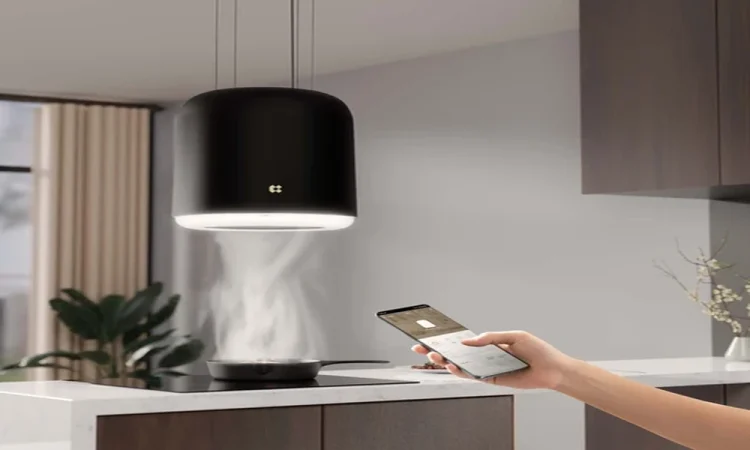

The ductless range hood is the answer to one of kitchen ventilation’s most common practical problems: how to provide effective extraction when running a duct to the outside is not feasible. Whether the kitchen is in an apartment, a rental property, a listed building, or simply positioned too far from an exterior wall for practical ducting, the ductless approach delivers genuine ventilation capability without the structural requirements of a ducted installation.
How Ductless Extraction Actually Works
A ductless range hood processes kitchen air through a two-stage filtration system. First, an aluminium or stainless steel mesh grease filter captures airborne fat particles. Second, an activated carbon filter absorbs volatile organic compounds and odour molecules. The cleaned air then passes through the fan motor and returns to the kitchen. No duct connection of any kind is required – the hood can be installed in any position within reach of an electrical supply.
Performance Reality
Honest assessment of ductless performance is important for setting appropriate expectations. For moderate domestic cooking – everyday meal preparation, light frying, pasta, grilled foods – a well-maintained ductless system with quality carbon filtration manages kitchen air quality effectively. For high-intensity cooking – deep frying, wok cooking, extended grilling – the system works harder and the limits of recirculation become more apparent. Supplementary ventilation during intensive sessions is advisable.
The Key to Consistent Performance
The performance of any ductless hood is directly tied to filter condition. Grease filters cleaned monthly maintain airflow through the system. Carbon filters replaced on the manufacturer’s recommended schedule maintain odour absorption effectiveness. Brands like Ciarra One design their ductless product lines with accessible filter housings and clear maintenance guidance to help owners maintain consistent system performance throughout the ownership period.
Selecting the Right Model
When selecting a ductless hood, the carbon filter specification deserves more attention than the headline extraction rate. A higher CFM motor running through a low-grade carbon filter delivers less effective odour control than a well-matched motor and filter combination. Checking that the manufacturer’s replacement filters are readily available and reasonably priced before purchasing prevents the frustration of discovering that ongoing maintenance requires expensive or hard-to-source parts after the purchase is made.