

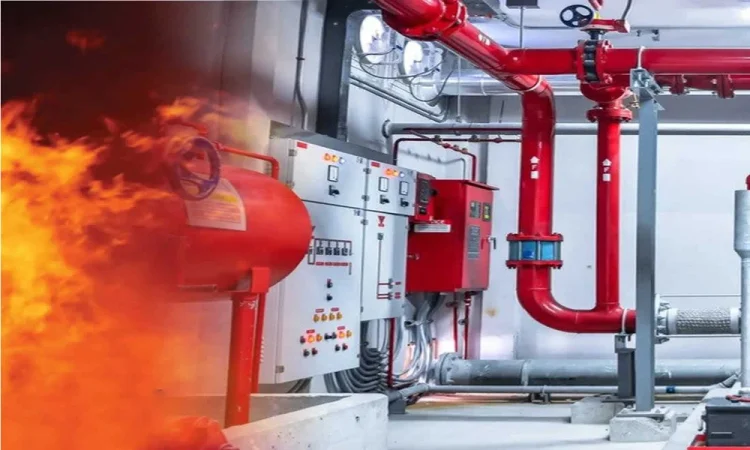
Fire watch services help protect buildings when fire safety systems are unavailable. Although managers arrange patrols, overlooking essential details can reduce effectiveness and weaken emergency preparedness.
To ensure no critical steps are missed, establishing clear fire watch security guidelines upfront helps property managers bridge the gap between simple presence and true emergency readiness. Bringing in structured procedures right away ensures that oversight goes beyond standard security routines to focus specifically on fire hazards, access control, and regulatory compliance. By addressing these foundational requirements immediately, building leaders can eliminate operational blind spots and maintain a robust safety net throughout any system outage.
Understanding the Reason for Fire Watch
Before arranging coverage, property managers should determine why fire watch is necessary. A temporary equipment failure, construction project, hot work, or other situation may create different safety concerns.
Managers should identify:
- Which fire protection equipment is affected
- Which areas require monitoring
- The anticipated duration of the system outage
- Whether additional hazards are present
- What procedures are required by the local fire authority
Understanding the specific situation allows the fire watch plan to address the actual risks present in the building.
Providing Proper Communication Methods
One commonly overlooked requirement is reliable communication. Fire watch personnel need a dependable way to contact emergency responders, building management, or other designated contacts.
Guards should know how to report a fire, suspicious condition, equipment problem, or other emergency. Contact information should also be current and easily accessible throughout the shift.
Maintaining Clear Patrol Procedures
Simply having a guard inside a building does not necessarily provide effective fire watch coverage. Personnel should understand which areas must be inspected and how frequently patrols should occur according to applicable requirements.
The patrol plan should account for locations such as:
- Mechanical and electrical rooms
- Storage areas
- Construction zones
- Exit routes
- Common areas
- Areas containing combustible materials
Clear instructions reduce confusion and help ensure important sections of the property are not missed.
Keeping Detailed Patrol Records
Another requirement that can receive insufficient attention is documentation. Fire watch personnel should maintain accurate records of patrols, observations, hazards, and actions taken.
Depending on local requirements, records may include the date, time, location, guard identification, and details of any unusual conditions. These records can help property managers track the assignment and demonstrate that monitoring procedures were followed.
Managing Additional Fire Hazards
Property managers should also consider activities occurring during the fire watch period. Construction, welding, cutting, electrical work, temporary heating equipment, and improper storage can increase fire risk.
When these activities are present, managers should ensure that appropriate precautions are implemented and that fire watch personnel understand the hazards they may encounter.
Avoiding Gaps in Coverage
A fire watch assignment can become less effective if there are unexplained gaps between shifts. Property managers should establish schedules that provide continuous coverage for the required period.
Shift changes should also include communication about unresolved hazards, incidents, equipment conditions, or areas requiring additional attention. This helps the incoming guard understand what happened during the previous shift.
Confirming When Fire Watch Can End
Fire watch should not simply stop because the expected repair time has passed. Property managers should confirm that the affected fire protection equipment has been restored and that any required testing or approval has been completed.
The responsible authority, fire protection professional, or other designated party may provide specific instructions regarding the end of the fire watch period.

