The Role of Ventilation in Reducing Allergens and Airborne Pollutants Indoors

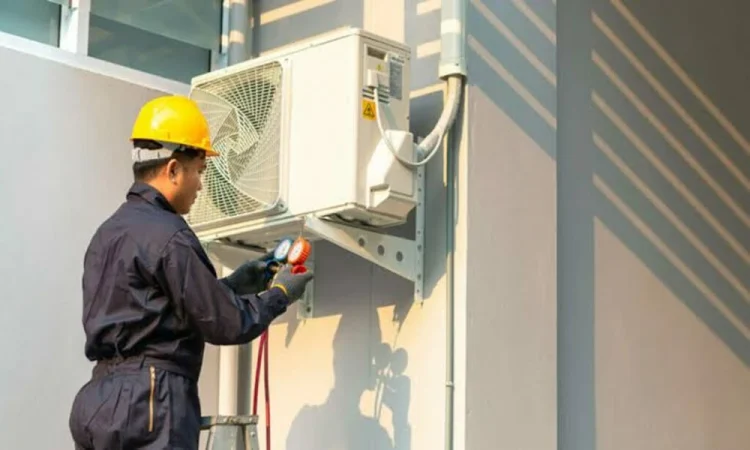
The air inside your home can contain more pollutants than you might expect. Dust, pollen, pet dander, cooking particles, and other airborne contaminants can accumulate when there isn’t enough fresh air moving through the building. Good ventilation helps replace stale indoor air with outdoor air, and systems such as ERVs for fresher indoor air can support a more balanced approach to bringing fresh air into the home while managing energy loss.
Ventilation is an important part of indoor air quality, but it works alongside other measures such as filtration, humidity control, cleaning, and source reduction. Understanding how these pieces work together can help homeowners create a more comfortable indoor environment.
Why Indoor Air Can Become Stale
Modern homes are often built with tighter building envelopes to improve energy efficiency. While reducing unwanted air leakage can help control heating and cooling costs, it can also mean fewer opportunities for outdoor air to naturally enter and indoor air to escape.
Everyday household activities add moisture and particles to the air. Cooking can produce smoke and fine particles, showers add humidity, and some cleaning products can release airborne compounds. Pets, furnishings, and contaminants brought inside from outdoors can also contribute to indoor air pollution.
Without adequate ventilation, these pollutants may remain indoors for longer periods. This doesn’t mean a home needs to feel drafty to have good ventilation. Controlled mechanical ventilation can provide a more consistent way to exchange indoor and outdoor air.
How Ventilation Helps Improve Indoor Air Quality
Ventilation works by bringing outdoor air into the home while removing some of the existing indoor air. This process can help dilute concentrations of certain indoor pollutants and reduce the amount of stale air circulating throughout the property.
For example, kitchen exhaust can remove some airborne particles produced during cooking, while bathroom exhaust can help remove moisture and odors created during showers.
Whole-home ventilation takes a broader approach by helping exchange air throughout the property rather than relying entirely on individual exhaust fans.
The effectiveness of ventilation depends on the home’s design, the ventilation system, outdoor conditions, and the pollutants present. Ventilation isn’t a substitute for removing pollution sources, but it can be an important part of a broader indoor air quality strategy.
Signs Your Home May Need Better Ventilation
Some homes provide clues that indoor air isn’t being exchanged effectively. These signs don’t necessarily mean that a ventilation system is required, but they can indicate that the home’s airflow and indoor air quality deserve closer attention.
- Stale or stuffy air: Rooms that regularly feel stale, particularly when windows remain closed, may indicate that indoor air isn’t being exchanged effectively.
- Persistent indoor odors: Cooking smells, pet odors, and other household odors that linger for unusually long periods can suggest that contaminants aren’t being removed efficiently.
- Excess moisture: Frequent condensation, damp-feeling rooms, or persistent bathroom humidity can indicate that moisture isn’t being removed from the home effectively.
Recognizing these signs can help homeowners determine whether changes to ventilation, filtration, or moisture control may be appropriate.
Allergens and Airborne Particles
Allergens such as pollen, dust, and pet dander can circulate through indoor spaces. Some particles enter from outside through doors, windows, and normal household activity, while others are generated indoors.
Ventilation can help reduce the concentration of certain airborne contaminants by replacing indoor air. However, ventilation should be paired with appropriate filtration when particle removal is a priority.
A quality HVAC filter can capture many airborne particles before they circulate through the home. The filter’s effectiveness depends on its design, rating, condition, and compatibility with the HVAC system.
Regular filter replacement is also important. A heavily loaded filter can restrict airflow and affect the performance of the heating and cooling equipment.
The Connection Between Ventilation and Humidity
Ventilation has a close relationship with indoor humidity. Excess moisture can come from showers, cooking, laundry, plumbing leaks, and other everyday household activities. If that moisture isn’t removed effectively, indoor humidity can rise.
High humidity can make a home feel uncomfortable and may create conditions that support mold growth. However, simply bringing more outdoor air inside isn’t always the answer, particularly when outdoor air is already very humid.
This is where controlled ventilation can be useful. The right system can help exchange indoor and outdoor air while taking the home’s climate and moisture conditions into account.
What Is an Energy Recovery Ventilator?
An energy recovery ventilator, commonly called an ERV, is a mechanical ventilation system designed to exchange indoor and outdoor air while recovering some of the energy associated with conditioning that air.
Instead of simply exhausting conditioned indoor air and replacing it with untreated outdoor air, an ERV transfers energy between the outgoing and incoming air streams.
The exact way an ERV handles heat and moisture depends on the equipment and operating conditions. In many applications, this approach can help reduce the impact that ventilation has on a home’s heating and cooling system.
For homes that need controlled fresh-air ventilation, an ERV can provide an alternative to relying entirely on natural air leakage or basic exhaust ventilation.
Why Balanced Ventilation Matters
Simply bringing in more outdoor air isn’t always the complete answer to indoor air quality. A ventilation system needs to provide an appropriate balance between incoming and outgoing air.
If a home exhausts large amounts of air without providing a suitable replacement, it can create pressure differences that affect how air moves through the building.
A balanced ventilation approach is designed to manage both sides of the air exchange process. This can provide more predictable ventilation while reducing reliance on uncontrolled air leakage.
The best approach depends on the home’s size, construction, climate, occupancy, and existing HVAC system.
Ventilation Isn’t a Replacement for Filtration
Ventilation and filtration perform different jobs. Ventilation primarily exchanges indoor and outdoor air, while filtration captures particles as air passes through a filter.
For homes where allergens and airborne particles are a concern, both strategies may have a role. A properly maintained HVAC filtration system can help capture particles circulating through the air, while ventilation can help manage stale indoor air and certain pollutants.
Source control is equally important. If a pollutant is being produced inside the home, removing the source or improving local exhaust can often be more effective than simply increasing whole-home ventilation.
Everyday Ways to Support Better Indoor Air
A ventilation system works best as part of a broader indoor air quality plan. Simple household habits can complement mechanical ventilation and help reduce unnecessary pollutants and moisture.
- Use exhaust ventilation during moisture-producing activities: Running kitchen exhaust while cooking and bathroom exhaust during and after showers can help remove moisture, odors, and airborne particles closer to their source.
- Maintain HVAC filtration: Check and replace air filters according to the manufacturer’s recommendations. A clean, appropriate filter can help capture airborne particles while supporting proper system airflow.
- Address moisture and pollution sources promptly: Repair plumbing leaks, keep damp areas under control, and reduce unnecessary indoor sources of smoke or airborne contaminants whenever possible.
These steps won’t replace a properly designed ventilation system, but they can support better indoor air quality as part of an overall home maintenance routine.
When Should You Consider Mechanical Ventilation?
Mechanical ventilation may be worth considering if your home feels consistently stale, has limited natural airflow, or has been built or renovated with a tighter building envelope.
It can also be useful when homeowners want more control over how outdoor air enters and indoor air leaves the property.
An HVAC professional can assess the home’s existing ventilation, heating and cooling equipment, and airflow patterns to determine what type of system may be appropriate.
Installing ventilation equipment without considering the home’s overall design can create new comfort or moisture issues, so proper planning matters.
In Conclusion
Ventilation plays an important role in maintaining comfortable indoor air. By exchanging stale indoor air with outdoor air, a properly designed ventilation system can help manage certain airborne pollutants, odors, moisture, and other indoor air quality concerns.
ERV technology offers another option for homes that need controlled ventilation while also considering the energy associated with heating and cooling incoming outdoor air.
For the best results, ventilation should work alongside filtration, source control, humidity management, and regular HVAC maintenance. When these strategies are planned together, homeowners can create a more balanced indoor environment without relying on one solution to solve every air quality problem.